
50-30-20 Rule
The 50-30-20 Rule: A Simple Formula to Take Control of Your Money
FINANCE BASICS
The 50-30-20 Rule: A Simple Formula to Take Control of Your Money
Managing personal finances can feel overwhelming—budgets, expenses, savings goals, investments—it’s a lot to juggle. That’s where the 50-30-20 rule comes in. It’s a simple yet powerful budgeting framework that helps you take control of your money without complicated spreadsheets or financial jargon.
What Is the 50-30-20 Rule?
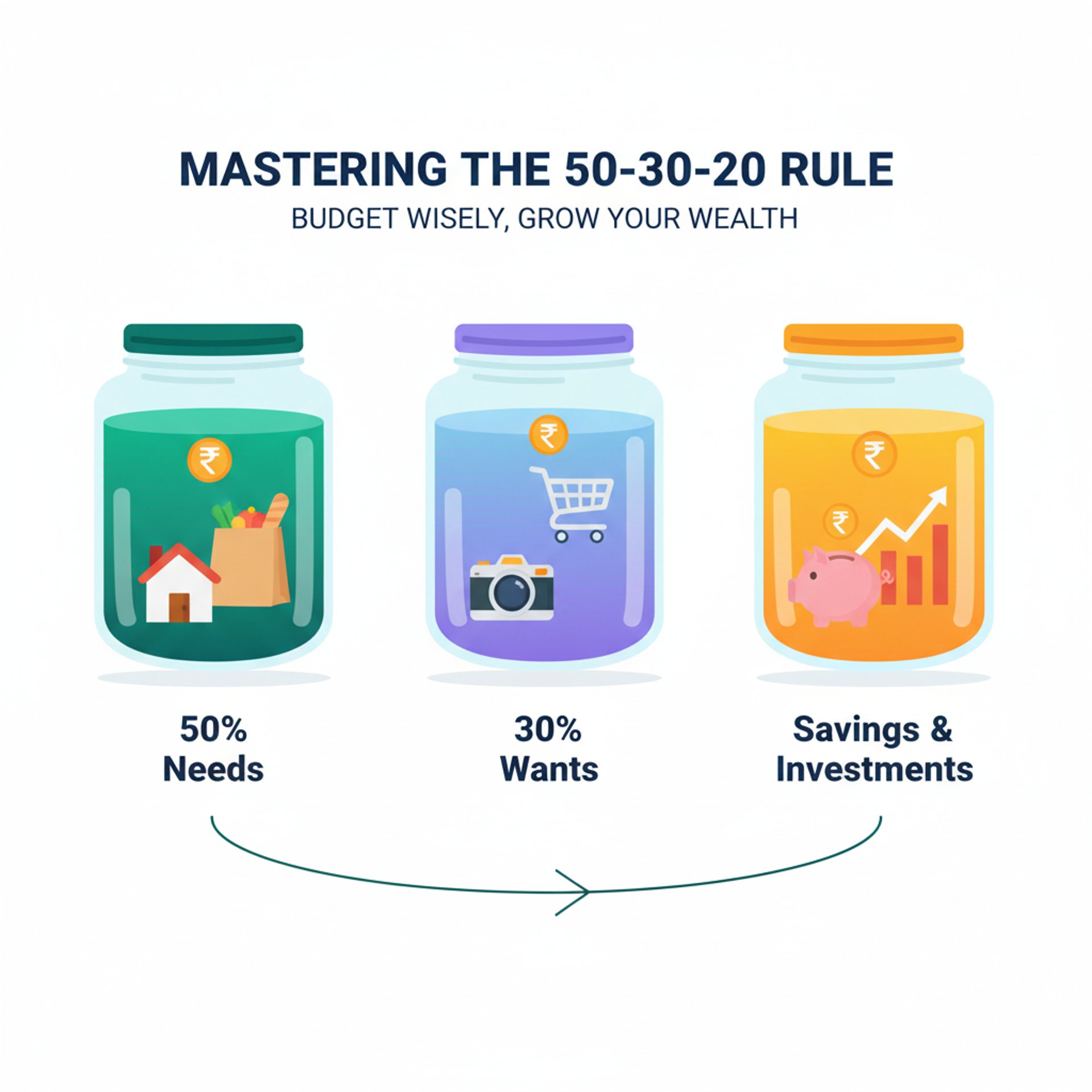
The 50-30-20 rule is a budgeting method that divides your after-tax income into three categories:
50% for Needs
30% for Wants
20% for Savings and Debt Repayment
It’s widely credited to U.S. Senator Elizabeth Warren, who popularized the concept in her book "All Your Worth: The Ultimate Lifetime Money Plan." The beauty of this rule lies in its flexibility — it’s easy to adapt to any income level or financial priority.
Breaking Down the 50-30-20 Formula
1. 50% — Needs
Needs are your essential expenses — the things you simply can’t live without. Think of these as survival or stability costs.
Examples include:
Rent or mortgage payments
Utility bills (electricity, water, internet, etc.)
Groceries and basic food supplies
Transportation and insurance premiums
Minimum loan payments
When evaluating a purchase, ask yourself: “Can I live comfortably without this?” If the answer is no, it likely belongs in the needs category.
2. 30% — Wants
Wants make life enjoyable. These are the comforts and luxuries you choose to spend on. They’re not essential but add joy and fulfillment.
Examples include:
Dining out or ordering in
Subscriptions (Netflix, Spotify, etc.)
Hobbies, gadgets, and vacations
Fashion or accessories beyond the basics
Keeping this category under 30% helps you enjoy life guilt-free while ensuring your finances remain balanced.
3. 20% — Savings and Debt Repayment
This portion goes toward building your financial future. It covers:
Emergency fund contributions
Investments (mutual funds, stocks, crypto, etc.)
Additional loan repayments
Retirement accounts or long-term goals
Prioritizing this 20% ensures you’re not just living paycheck to paycheck but steadily moving toward financial independence.
Why the 50-30-20 Rule Works
Simplicity – It removes the guesswork from budgeting.
Flexibility – It can adapt to any income or lifestyle.
Balance – It ensures you enjoy your money today while preparing for tomorrow.
Most importantly, it encourages consistency — and consistency is the key to financial stability over time.
How to Apply It Practically
Calculate your monthly after-tax income.
Include salary, freelance earnings, and any passive income sources.Allocate funds accordingly.
For example, if you earn ₹60,000 a month:₹30,000 for needs
₹18,000 for wants
₹12,000 for savings/debt repayment
Track and adjust monthly.
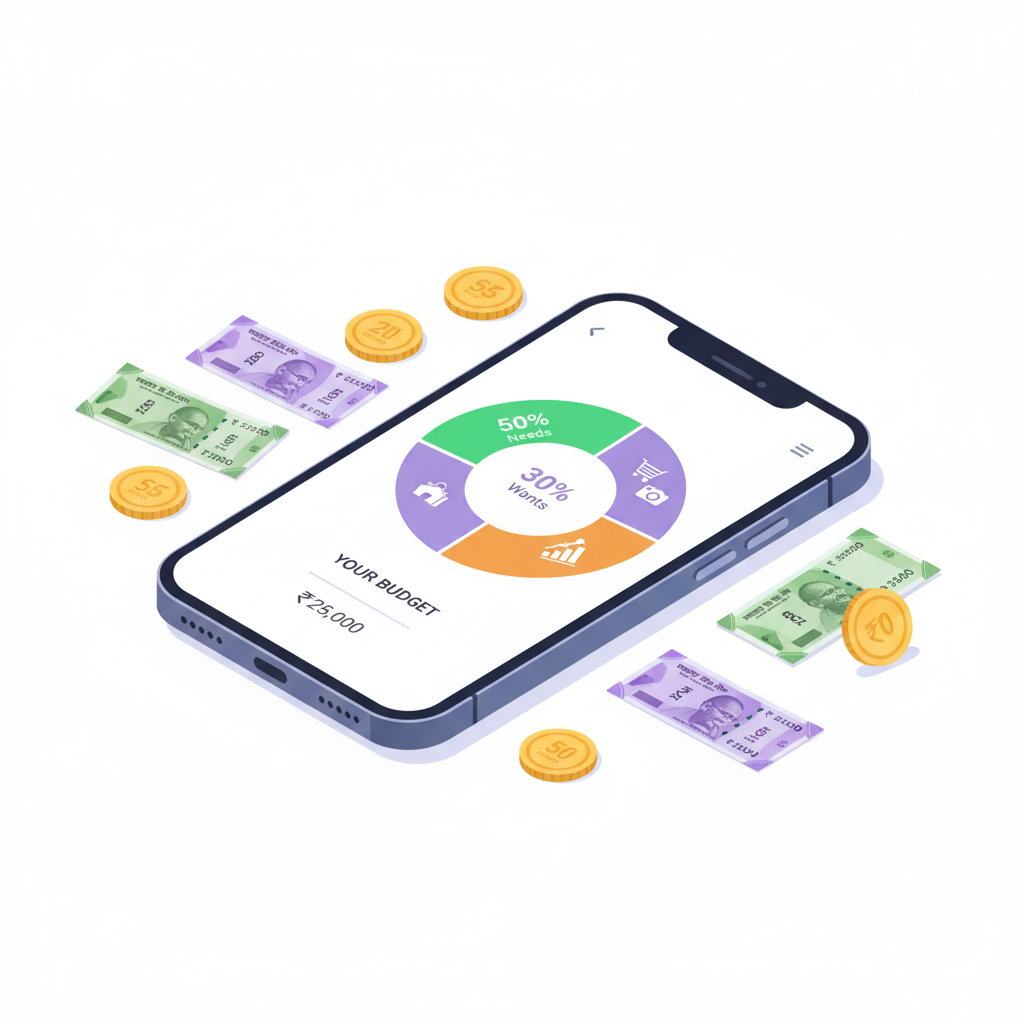
Use a simple budgeting app or spreadsheet to see if your spending aligns with these thresholds. Shift percentages slightly if needed — for example, 60-20-20 if your fixed costs are higher.
Final Thoughts
The 50-30-20 rule isn’t a strict formula but a guideline. As income, goals, and expenses change, your ideal ratio might too. The key takeaway? Always keep a balance between living well today and securing your tomorrow.
If you’re new to budgeting, start with this rule. It’s simple, effective, and can completely transform how you view money — turning chaos into clarity, one category at a time.
Help
Questions? Reach out anytime.
reachus@69waystoinvest.com
© 2026. All rights reserved.
Our Team-
Shrinivas B(MBA)
Ravi (MBA)
Prasad (Mcom)