
Are luxury watches and rare art piece good investments?
Investment in Luxury Watches/Art explained....
HOBBIES
Luxury watches and paintings are both considered attractive alternative investments for collectors and investors in 2025, but the performance, risks, and benefits differ based on market trends and unique asset qualities.
Luxury Watches: Investment Potential
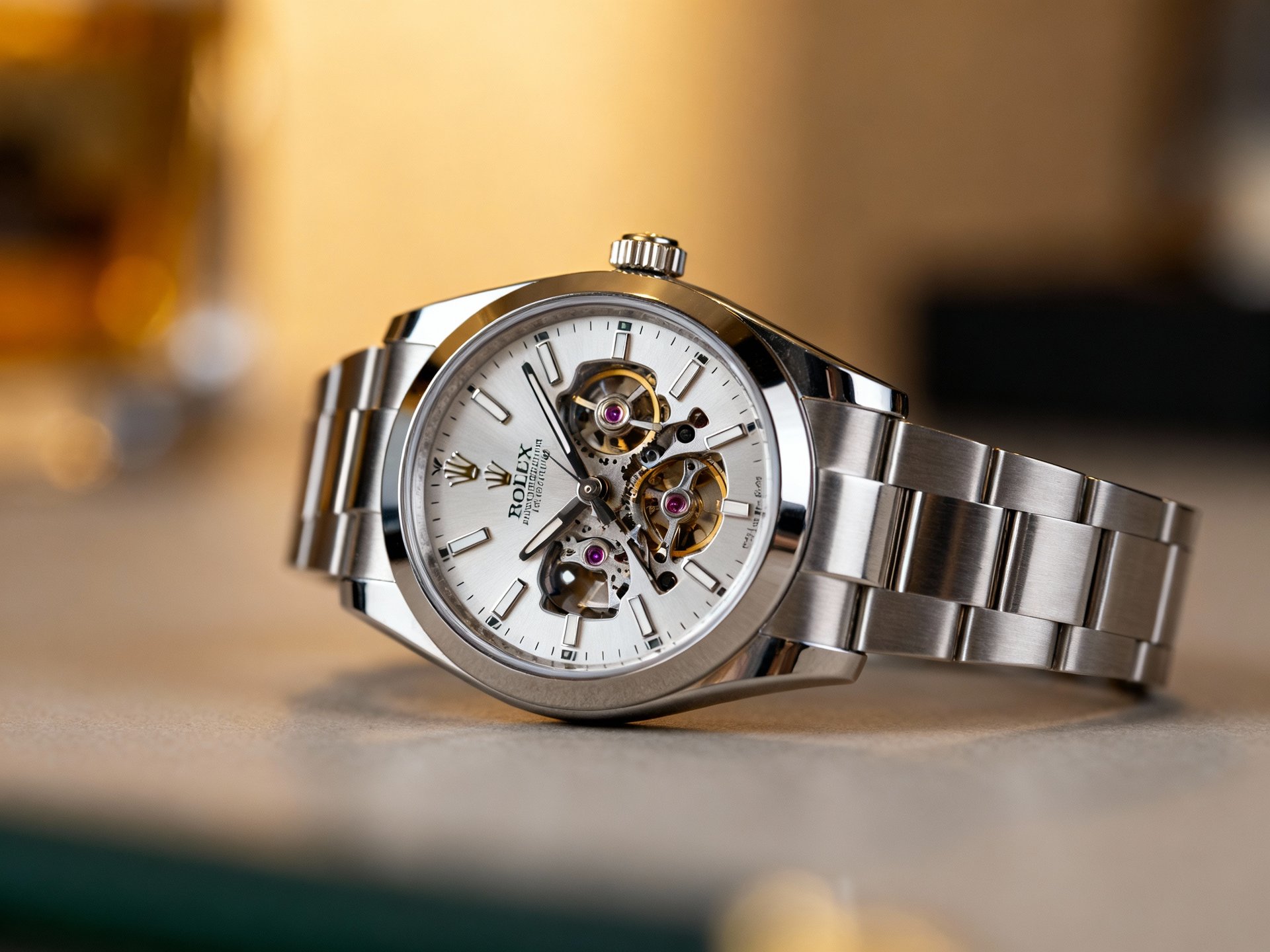
Luxury watches from iconic brands such as Rolex, Patek Philippe, Audemars Piguet, and Richard Mille have shown consistent appreciation, especially for limited, discontinued, and highly sought-after models. In 2025, demand remains strong, supported by rising retail prices and high interest in both new and pre-owned timepieces. Rolex, in particular, stands out for its steady value growth and lower volatility compared to some traditional assets, making certain models a top pick for those seeking investment stability and brand prestige. However, market reports do note some volatility and a decline in the secondary market since 2022, so selectivity and timing matter when investing in watches.
Paintings and Fine Art: Investment Strength
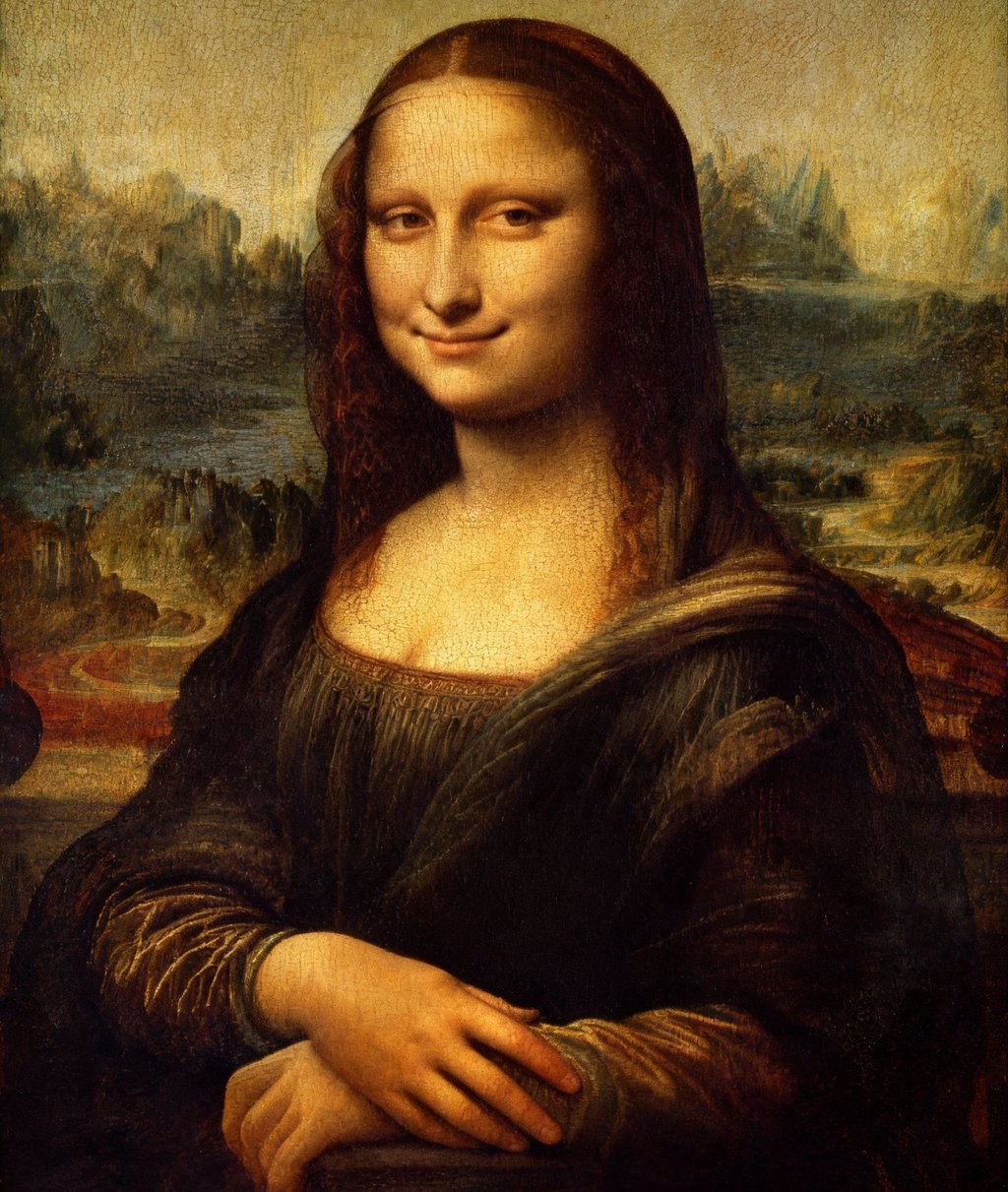
The art market continues to be robust, with the global fine art market valued at around $57.5 billion in 2025. Art appeals to investors as a long-term store of value, offering unique portfolio diversification due to its low correlation with stocks and real estate. High-quality works by notable artists (often called 'blue-chip art') tend to appreciate, even during economic downturns. Besides financial returns, investment in paintings provides emotional and cultural benefits, giving owners prestige and personal connection to their collection. Success requires patience, market research, and sometimes significant capital, while emerging artists can offer high-growth opportunities.
Key Takeaways and Investment Tips
Go for established brands and iconic models if investing in watches; be aware of market cycles and resale challenges for lesser-known brands.
Focus on blue-chip or historically significant works when investing in paintings, verifying provenance and artist potential for appreciation.
Both assets require research and patience, but offer portfolio diversity, personal enjoyment, and forms of financial resilience.
Here is the comparison between luxury watches and paintings as investments for clarity:
Luxury watches offer relatively lower entry points compared to fine art, making them more accessible for new investors.
Watches from iconic brands like Rolex and Patek Philippe carry strong brand prestige and have shown steady appreciation in value over time.
Luxury watches are portable, wearable, and can provide sentimental value, allowing owners to enjoy them while they potentially appreciate.
Watches have a lower correlation with traditional assets like stocks and bonds, offering diversification benefits.
Watch investment requires careful research to select models with known long-term value and strong resale potential.
Watches face higher liquidity risks than stocks or bonds, and finding buyers at market value can sometimes be challenging.
Maintaining watches involves insurance and servicing costs, and condition significantly affects their resale value.
Paintings and fine art have historically shown strong resilience and long-term appreciation with potential for impressive gains, especially for blue-chip and emerging artists.
Art provides cultural and emotional value, with ownership offering prestige and connection to artistic heritage.
Art is less liquid than watches but has multiple marketplaces like galleries, auctions, and private sales that facilitate transactions.
Investing in art often requires a larger upfront capital and involves complex considerations such as provenance, authenticity, and market trends.
Art has lower volatility compared to other financial markets and is viewed as a good inflation hedge and diversification tool.
Art investments can offer timeless value and legacy potential that extends beyond pure financial return.
The luxury watch market can be more volatile, with values influenced by brand perception, trends, and market saturation.
Art market stability and growth potential are generally regarded as stronger over the long term compared to watches, although both are classified as illiquid assets.
Help
Questions? Reach out anytime.
reachus@69waystoinvest.com
© 2026. All rights reserved.
Our Team-
Shrinivas B(MBA)
Ravi (MBA)
Prasad (Mcom)