

How high can gold price go?
Gold price prediction for next decade
BULLION

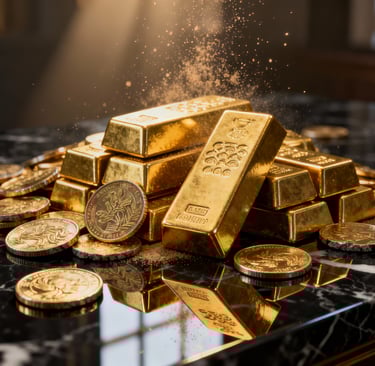
Gold is the King of all metals.It has wide variety of uses and is used as hedge against inflation in investment and jewellery.
Gold is measured in ounces (28.3 grams).Currently its price is hovering around $4000(13000 Rupees per 10 gram) per ounce...Gold has doubled in value since 2023...
Based on current trends and expert forecasts, gold could potentially reach ₹20,000 to ₹30,000 per gram by 2035. This increase reflects:
Continued demand for gold as a safe-haven asset worldwide
Huge buying (In tons) by worldwide central banks..
Inflationary pressures reducing currency purchasing power
Geopolitical and economic risks sustaining gold's appeal
Potential weakening or volatility of the Indian Rupee against the US Dollar
For Indian investors, this means gold remains a crucial long-term hedge and wealth preservation instrument, expected to deliver significant appreciation over the next decade.
Gold has the potential to triple in price over the next decade due to several powerful economic and geopolitical factors converging worldwide. Here's a detailed explanation of why gold could see such significant gains:
1. Inflation and Currency Depreciation
As governments globally continue to print money and run large fiscal deficits, inflationary pressures rise, eroding the purchasing power of fiat currencies. Gold, being a tangible asset with intrinsic value, is traditionally a hedge against inflation. With persistent inflation and weakening currencies, gold prices tend to climb to preserve value, potentially tripling in nominal terms.
2. Rising Global Debt Levels
The world’s sovereign debt, led by the US $37 trillion national debt, is at historically unsustainable levels. This debt burden leads to higher interest rates and currency instability when markets lose faith, driving investors into safe assets like gold. Heavy debt also limits governments’ policy options, reinforcing gold's role as a financial safe haven.
3. Geopolitical and Economic Uncertainty
Increasing geopolitical tensions (e.g., conflicts, trade wars, and political instability) create market turbulence. During times of uncertainty, investors flock to gold for security, driving demand and prices up. The next decade is expected to remain unpredictable, maintaining gold’s premium.
4. Reduced Gold Supply and Increased Demand
Mining gold supply is relatively inelastic and slow to respond to demand increases. Meanwhile, demand from central banks, institutional investors, and emerging markets like India and China continues to grow steadily. This supply-demand imbalance supports rising prices.
5. Lower Real Interest Rates
When real interest rates (adjusted for inflation) are low or negative, holding non-yielding assets like gold becomes attractive compared to cash or bonds. Central banks maintaining ultra-low rates for extended periods will push investors toward gold as an alternative.
6. Portfolio Diversification and Regulatory Trends
Institutional investors increasingly allocate to gold for portfolio diversification, especially amid volatile equity and bond markets. Regulatory shifts allowing broader access to gold ETFs and digital gold products also expand investor participation.
7. Indian and Emerging Market Demand
In countries like India, gold has cultural and investment significance. Rising incomes, festival seasons, and financial uncertainties drive steady physical gold purchases, supporting prices in INR terms. Rupee depreciation against the dollar further pushes domestic price increases.
Summary
The combined impact of persistent inflation, record debt, geopolitical risks, constrained supply, rising demand, and low real yields creates a compelling case for gold potentially tripling in value—both globally and in Indian Rupees—over the next decade. For long-term investors, gold remains a crucial asset for preserving wealth, hedging risks, and diversifying portfolios amid uncertain times.
This outlook makes a strong case for increasing gold allocation now, to capitalize on its potential transformative value growth over the coming years.
Help
Questions? Reach out anytime.
reachus@69waystoinvest.com
© 2026. All rights reserved.
Our Team-
Shrinivas B(MBA)
Ravi (MBA)
Prasad (Mcom)