
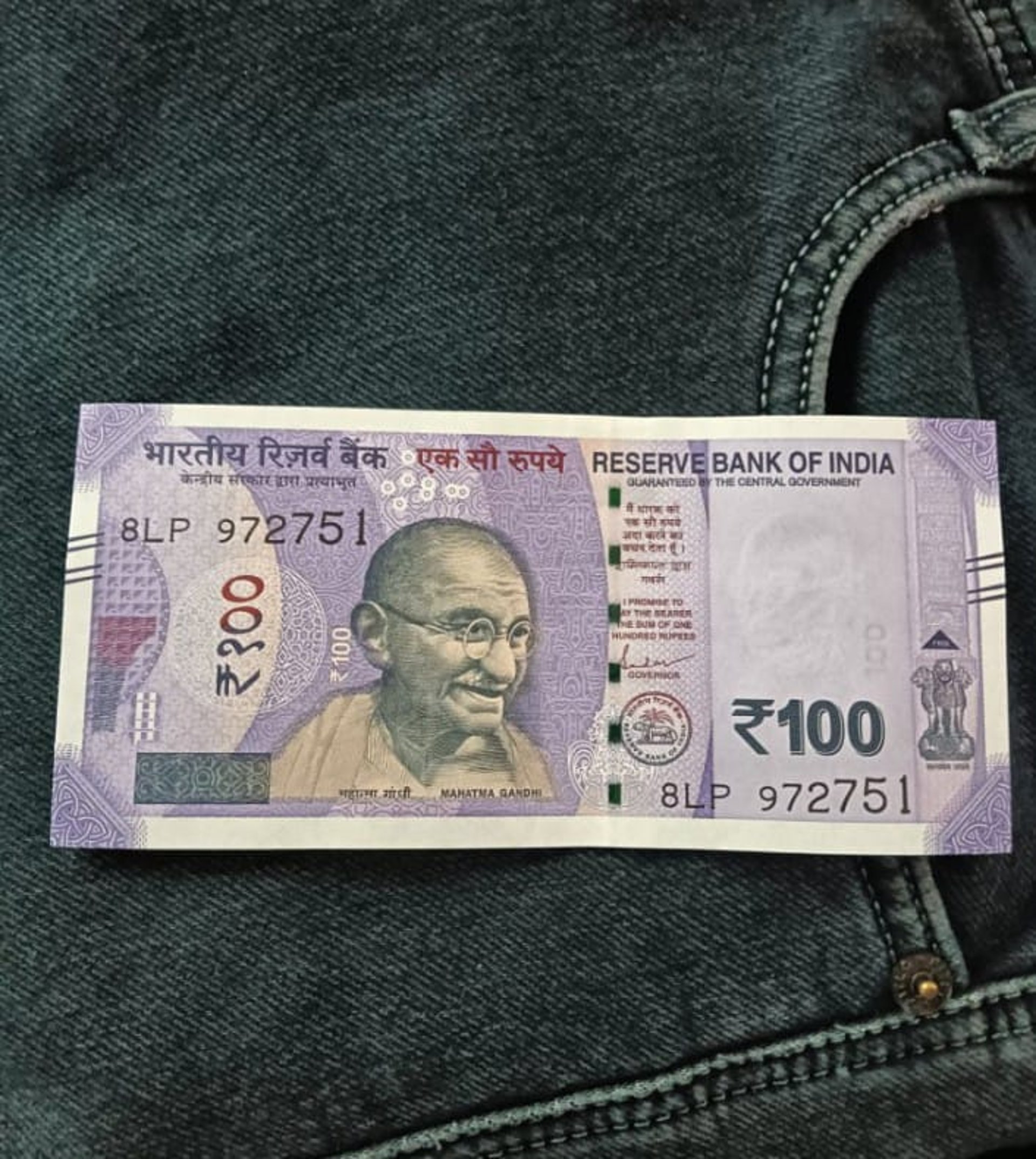
Is paper money backed by anything?
Fiat money explained
FIAT MONEY
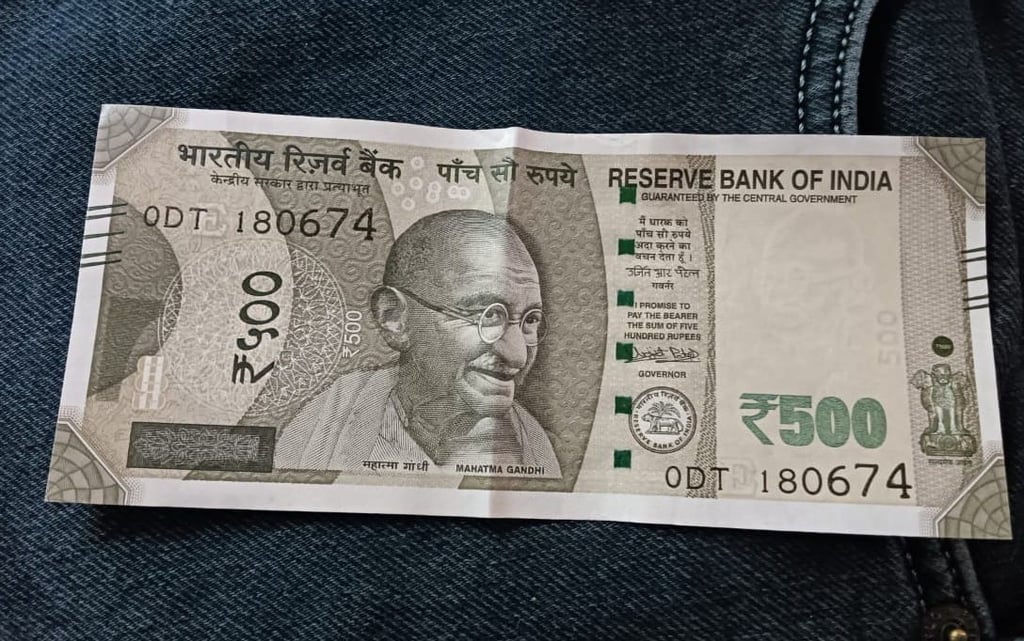
Is Paper Money Really Backed by Nothing? The Story Behind Fiat Currency and Nixon’s Gold Standard Decision
Paper money today is known as fiat money—currency declared as legal tender by governments but not backed by any physical commodity like gold or silver. Its value comes purely from the trust people and markets place in the government that issues it, and the decree that it must be accepted for payments and debts within that country.
The Dawn of Fiat Money: From Gold-Backed to Trust-Based Currency
Historically, money began as commodity money—coins made from precious metals such as gold and silver, which had intrinsic value. Later, governments issued paper notes redeemable for fixed amounts of gold or silver stored in treasuries. This was known as the gold standard: paper money was literally “backed” by gold.
The idea was simple: you could exchange your banknotes for gold on demand. This system created a natural limitation on the amount of money governments could print based on their gold reserves—protecting against runaway inflation.
When and Why the Gold Standard Fell
The major turning point came in 1971, under US President Richard Nixon. Post-World War II, the US dollar was the world’s reserve currency under the Bretton Woods system, pegged to gold at $35 per ounce. However, expanding money supply, military spending (Vietnam War), and trade deficits eroded US gold reserves.
To stop the drain and economic instability, Nixon announced the “Nixon Shock”—ending the dollar’s convertibility into gold. This action effectively ended the gold standard era, transforming the US dollar into a pure fiat currency based solely on government decree and market faith.
The Reality: Paper Money Is Backed by “Nothing” but Trust
Since then, paper money has not been redeemable for gold or any commodity. It has value because:
Governments decree it as legal tender, mandatory for public and private debt payments.
People have confidence that others will accept it for goods, services, and taxes.
Central banks manage money supply and policy to maintain economic stability.
So, while it is technically "backed by nothing" tangible like gold, its value depends on a complex system of trust, legal frameworks, and economic management.
Consequences and Controversies of Fiat Money
Fiat money allows governments more flexibility in monetary policy, stimulating growth or controlling inflation.
However, it also opens the door for excessive money printing leading to inflation or even hyperinflation, eroding purchasing power.
This is why some investors and economists remain wary, often turning to gold or cryptocurrencies as alternative “stores of value.”
Why This Matters Today
Understanding that paper money isn’t backed by physical assets helps explain global economic behaviors, currency fluctuations, and financial crises. It also sheds light on why assets like gold, Bitcoin, and real estate retain appeal—because they represent tangible or limited resources outside government monetary control.
Paper money, once tied to gold, is now fully fiat money—relying entirely on collective trust, government authority, and economic stability for its value. Nixon’s removal of the gold standard marked a profound shift in our monetary system, the reverberations of which are still felt globally today.
Help
Questions? Reach out anytime.
reachus@69waystoinvest.com
© 2026. All rights reserved.
Our Team-
Shrinivas B(MBA)
Ravi (MBA)
Prasad (Mcom)