

Why Credit Score matters?
Power of good credit score..
FINANCE BASICS

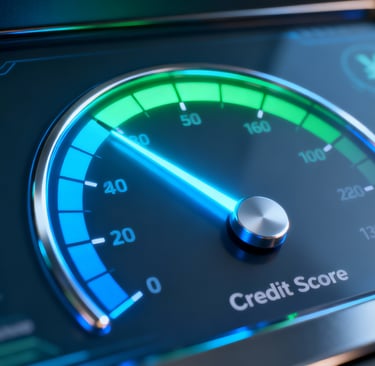
A credit score in India is a vital financial metric that determines an individual's creditworthiness—the likelihood that they will repay borrowed money responsibly. It is a three-digit number, typically between 300 and 900, generated by credit bureaus like CIBIL, CRIF, and Equifax based on your credit history. Here’s why the credit score matters significantly in India in 2025:
Why Credit Score Matters in India
Loan and Credit Approvals:
Banks, non-banking financial companies (NBFCs), and credit card issuers look at your credit score before approving loans or credit. A higher score (generally above 750) increases your chances of fast loan approval and access to a broader range of credit options. Conversely, a low score may result in loan rejection or more stringent terms.Better Interest Rates:
A strong credit score signals financial discipline, enabling individuals to secure loans at lower interest rates. For example, a car or home loan applicant with a score above 750 usually benefits from more favorable interest rates, thereby saving money over the loan tenure.Higher Credit Limits:
Good credit scores also contribute to higher credit limits on credit cards and loans. This increased borrowing capacity can improve financial flexibility without compromising your creditworthiness.Faster Processing and Less Documentation:
Lenders are more confident dealing with individuals with strong credit histories. As a result, loan processing is quicker and requires less paperwork, making the borrowing experience smoother.Financial Stability and Planning:
A good credit score is a reflection of prudent financial habits such as timely loan repayments, managing credit responsibly, and avoiding defaults. It acts as a foundation for building financial stability and future planning.Impact of RBI Reforms in 2025:
Recent RBI reforms have made credit scores more transparent and frequently updated, offering Indian borrowers enhanced control and awareness over their credit reports. Borrowers now receive notifications when their credit report is accessed, helping prevent unauthorized checks and encouraging responsible credit behavior.
How to Maintain a Good Credit Score
Pay EMIs and credit card bills on time consistently.
Avoid defaults and minimize outstanding debt.
Check your credit report regularly for errors or fraudulent activity.
Limit multiple loan applications within a short span.
Maintain a healthy balance between credit usage and repayment.
Conclusion
In India’s financial ecosystem, a credit score is more than just a number—it is your key to unlocking better loan terms, financial credibility, and smoother access to credit products. For individuals aspiring to grow financially or invest in assets like homes, vehicles, or businesses, maintaining a high credit score is essential. Understanding its importance, nurturing good credit habits, and staying informed about regulatory updates empower you to build a secure and prosperous financial future in 2025 and beyond.
Help
Questions? Reach out anytime.
reachus@69waystoinvest.com
© 2026. All rights reserved.
Our Team-
Shrinivas B(MBA)
Ravi (MBA)
Prasad (Mcom)