
Why silver is called as The devil's metal?
Silver explained in context of Devil's metal....
BULLION
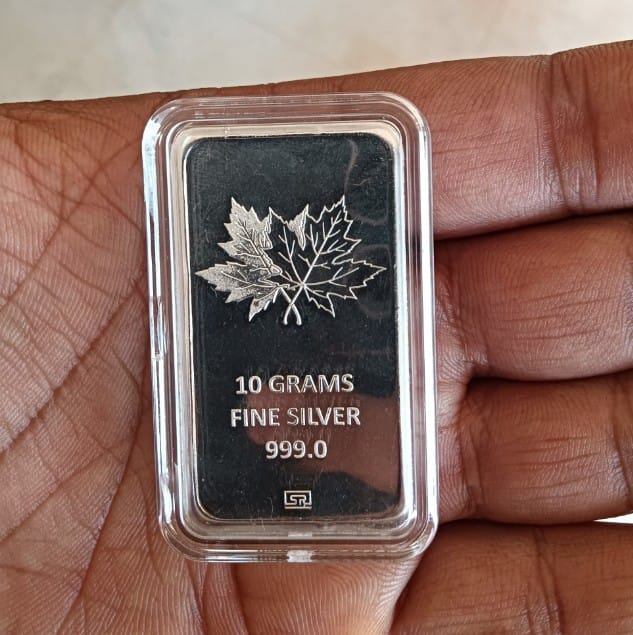
Why Silver Is Called the “Devil’s Metal” Because of Its Volatility
Silver has earned the nickname “the Devil’s metal” in financial markets for one main reason: its extreme and unpredictable price volatility. Unlike gold, which is known for stability, silver has a reputation for violently sudden price moves that can reward or punish investors with little warning.
1. Extreme Price Swings
Silver prices are notorious for sharp rallies followed by brutal crashes. In short periods, silver can rise 30–50% and then erase those gains just as quickly. These wild swings make timing the market incredibly difficult—even for experienced traders.
Many investors enter silver expecting steady gains, only to face sudden reversals that feel almost deceptive. This behavior is what gives silver its “devilish” reputation.
2. Smaller Market, Bigger Moves
One key reason behind silver’s volatility is the small size of its market compared to gold. With fewer participants and lower liquidity, even modest buying or selling pressure can cause outsized price movements.
This means silver reacts faster and more violently to news, speculation, and shifts in investor sentiment.
3. Dual Identity: Metal and Money
Silver is both an industrial metal and a precious metal. This dual role creates constant tension in pricing. When the economy weakens, industrial demand falls. When inflation fears rise, investment demand increases.
Because silver is pulled in two opposite directions at once, prices often behave erratically—confusing traders and amplifying volatility.
4. High Speculation and Leverage
Silver attracts heavy speculation, especially in futures and derivatives markets. High leverage magnifies price movements, causing rapid spikes and crashes triggered by margin calls, stop-loss orders, and forced liquidations.
Once volatility starts, it feeds on itself—creating sudden, emotionally driven price action.
5. Historical Examples of “Devilish” Behavior
Silver’s history is filled with dramatic moves:
Massive rallies followed by collapses
Long periods of stagnation broken by explosive breakouts
Prices overshooting fundamentals in both directions
These cycles have repeatedly trapped investors who mistook silver’s speed for certainty.
6. Emotion Over Logic
Silver’s volatility makes it a psychological battlefield. Fear and greed dominate trading decisions, often overriding fundamentals. This emotional whiplash is why many traders say silver “behaves badly” compared to other assets.
Conclusion
Silver is called the “Devil’s metal” not because it lacks value, but because it tests patience, discipline, and timing like few other assets.
Help
Questions? Reach out anytime.
reachus@69waystoinvest.com
© 2026. All rights reserved.
Our Team-
Shrinivas B(MBA)
Ravi (MBA)
Prasad (Mcom)