
Why we often spend on unnecessary things...
Reasons behind compulsive spending...
FINANCE BASICS

The Psychology of Spending: Why We Buy Things We Don’t Need
Have you ever bought something and later wondered, “Why did I even need this?” You’re not alone. Spending is rarely just about logic—it’s deeply driven by emotions, habits, and psychological triggers that influence our decisions without us even realizing it.
One of the biggest drivers of unnecessary spending is instant gratification. Our brains are wired to seek pleasure and avoid discomfort. Buying something new—whether it’s clothes, gadgets, or food—gives a quick dopamine boost, making us feel good in the moment. The problem is, this feeling is temporary, and once it fades, we often look for the next purchase to recreate that same excitement.
Another powerful factor is social comparison. In today’s world, especially with social media, we are constantly exposed to others’ lifestyles. Seeing friends, influencers, or celebrities enjoying luxury experiences can create a subtle pressure to “keep up.” This leads to spending not out of need, but out of a desire to fit in or appear successful.
Marketing and advertising also play a major role. Companies invest billions to understand human psychology and influence behavior. Limited-time offers, discounts, “only 2 left in stock,” and flashy sales create a sense of urgency and fear of missing out (FOMO). Even if we didn’t plan to buy something, these tactics push us into impulsive decisions.
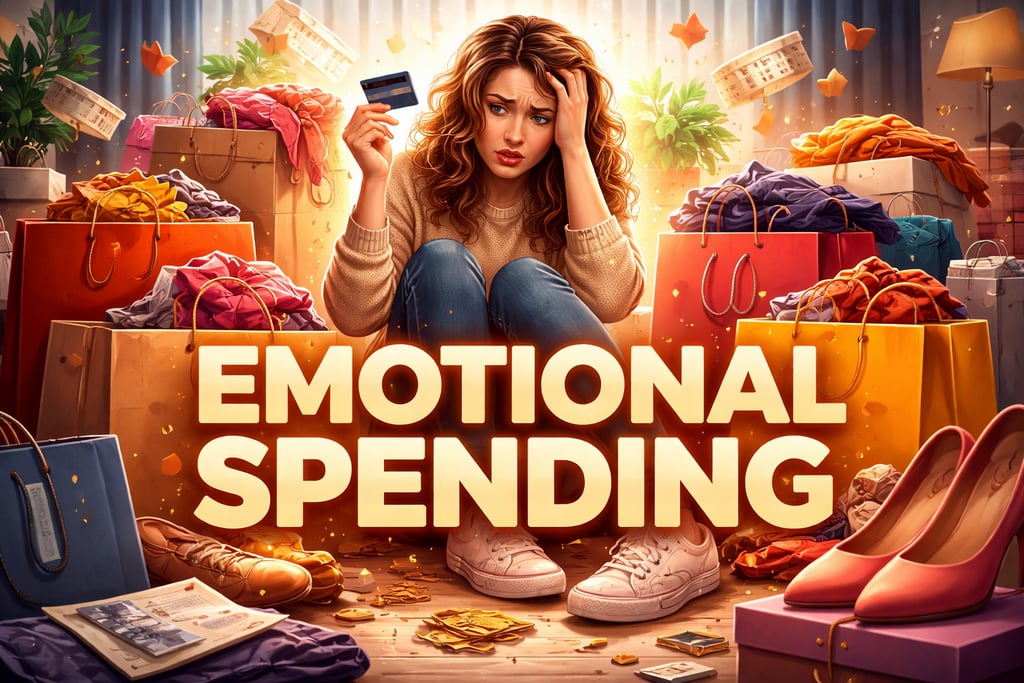
Then there’s emotional spending. Many people use shopping as a way to cope with stress, boredom, or sadness. This is often called “retail therapy.” While it may provide temporary relief, it doesn’t solve the underlying problem—and can even lead to guilt or financial stress later.
Habits and environment also matter. Easy access to online shopping, one-click payments, and constant notifications make spending effortless. The less friction there is, the more likely we are to buy without thinking.
The good news is that awareness can change behavior. Simple strategies like waiting 24 hours before making a purchase, setting clear financial goals, and tracking expenses can help control impulsive spending. Asking yourself, “Do I really need this or just want it right now?” can make a big difference.
In the end, spending is less about money and more about mindset. Once you understand the psychology behind your decisions, you can take control—spending with intention rather than impulse.
Help
Questions? Reach out anytime.
reachus@69waystoinvest.com
© 2026. All rights reserved.
Our Team-
Shrinivas B(MBA)
Ravi (MBA)
Prasad (Mcom)